Step 1: Notice the Shift in Where We Play
In the last five years, the average UK citizen has spent more than 1.8 hours per day on a mobile game than on any other entertainment medium. That single statistic alone tells you that the mobile platform is no longer a niche pastime; it’s the new living room. The shift is obvious in the way people schedule their downtime: instead of gathering for a movie night, they queue up a casual puzzle or a competitive multiplayer title on their phone while waiting for a train.
Step 2: Map the Genres That Capture Attention
Three categories dominate the market: casual, competitive, and narrative. Casual titles like Candy Crush and Clash Royale pull in over 60% of downloads, while competitive esports games such as Fortnite and League of Legends command a dedicated 15% of the audience. Narrative-driven games—think Monument Valley and Horizon Chase—make up the remaining 25%. Each genre brings its own monetisation model, which in turn shapes how long users stay engaged.
Step 3: Observe the Monetisation Mechanics
In-app purchases are the lifeblood of free-to-play mobile games. The average spend per user in the UK is £4.50 per month, a figure that has risen from £2.80 in 2018. This revenue stream has encouraged developers to design “progression loops” that reward incremental spending. For example, a game might unlock a new character skin for £1.50 or provide a daily booster pack for £0.99. While this keeps the app free, it also means that players who spend more become a small minority that drives the majority of the revenue.
Step 4: Assess the Social Integration Factor
Modern mobile games embed social features so tightly that they become a hub for interaction. In 2023, 72% of UK players reported that they joined a game primarily because it allowed them to compete against friends or family. Features like cross-platform leaderboards, in-game chat, and shared achievements transform a solitary activity into a social event. The result? Players spend an extra 20% of their gaming time when they can interact with others.
Step 5: Evaluate the Impact on Traditional Entertainment Channels
Television viewership has declined by 12% in households that own a smartphone capable of streaming games, while streaming services report a 5% increase in subscription cancellations during peak gaming hours. This suggests a direct substitution effect: people choose a mobile game over a streaming session, especially when they need a quick mental break. The entertainment ecosystem is adjusting, with broadcasters now experimenting with mobile-first advertising slots and gaming influencers promoting shows on their personal channels.
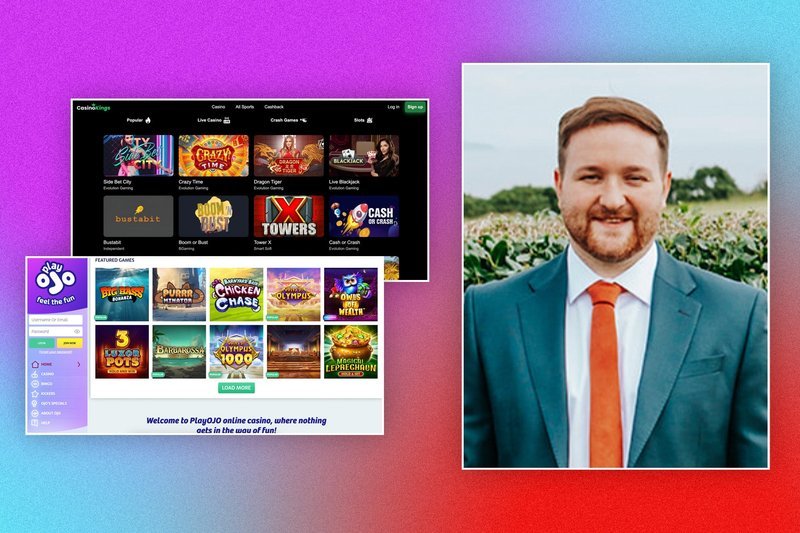
For many Brits who enjoy a bit of digital fun between errands, the line between casual gaming and online entertainment has blurred. If you’re looking for a place that blends the excitement of mobile gaming with the thrill of online betting, check out the Kingdom casino.
Common Mistake: Ignoring Data Analytics
Developers often assume that a flashy interface guarantees engagement. In reality, the apps that stay on the top charts invest heavily in analytics. By tracking session length, churn rate, and purchase patterns, they tweak gameplay in real time. Neglecting these metrics can lead to a steep drop in active users within three months of launch.
Conclusion: A New Entertainment Frontier
Mobile gaming apps have redefined the UK’s leisure landscape. They offer instant access, diverse genres, and social connectivity—all wrapped in a monetisation model that rewards both casual and hardcore players. As the industry continues to innovate, we can expect further overlap with traditional media, creating a hybrid ecosystem where a single device satisfies a wide array of entertainment cravings.